
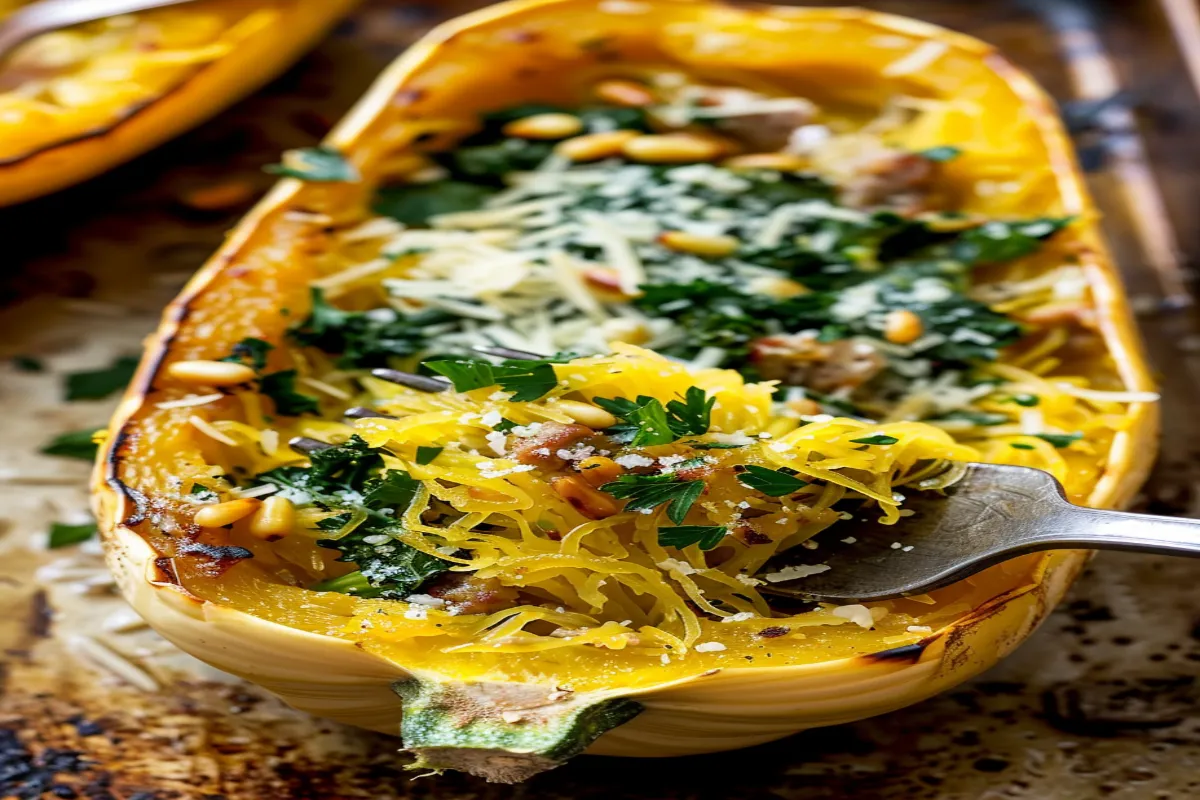
Spaghetti squash is a winter squash that belongs to the Cucurbita family. It has a hard, yellow-orange shell and is known for its unique flesh that separates into long, thin strands when cooked. This makes it an excellent substitute for pasta, providing a gluten-free, low-calorie option that is rich in vitamins and minerals. The flesh of the spaghetti squash is mildly sweet and can absorb flavors from sauces and seasonings, making it a delightful canvas for various culinary creations.
Interestingly, this squash is not just another vegetable; it has a rich history dating back to the early 19th century in North America. It was initially cultivated by Native Americans and has since become a staple in many households around the world. The growing interest in healthy eating and gluten-free diets has further propelled its popularity, making spaghetti squash a frequent feature in contemporary cookbooks and food blogs. Moreover, its ease of preparation and unique texture have made it a favorite among home cooks and professional chefs alike.
Health Benefits of Spaghetti Squash
Spaghetti squash is not only a delicious alternative to pasta but also offers numerous health benefits:
- Low in Calories: A cup of cooked spaghetti squash contains only about 42 calories, making it a great choice for those looking to lose weight or maintain a healthy diet. This low-calorie count allows for larger portions without the guilt associated with high-carb pasta dishes.
- Rich in Nutrients: It is a good source of vitamins A and C, as well as B vitamins, which are essential for energy metabolism. These vitamins play crucial roles in maintaining a healthy immune system and promoting good vision. Furthermore, the presence of potassium helps regulate blood pressure and supports heart health.
- High in Fiber: Fiber is important for digestive health, and spaghetti squash provides a good amount, helping to keep you feeling full longer. This can aid in weight management and improve overall gut health. Including fiber-rich foods like spaghetti squash in your diet can also help maintain healthy cholesterol levels.
- Antioxidant Properties: The antioxidants found in spaghetti squash can help reduce inflammation and protect against chronic diseases. These antioxidants combat oxidative stress in the body, potentially lowering the risk of conditions such as heart disease and certain cancers. The anti-inflammatory properties can also contribute to improved overall health.
- Hydration: With its high water content, spaghetti squash can aid in keeping you hydrated, making it a refreshing addition to your meals, particularly in warmer months. Staying hydrated is essential for maintaining energy levels and supporting bodily functions.
Spaghetti Squash One Recipe: A Simple and Delicious Preparation
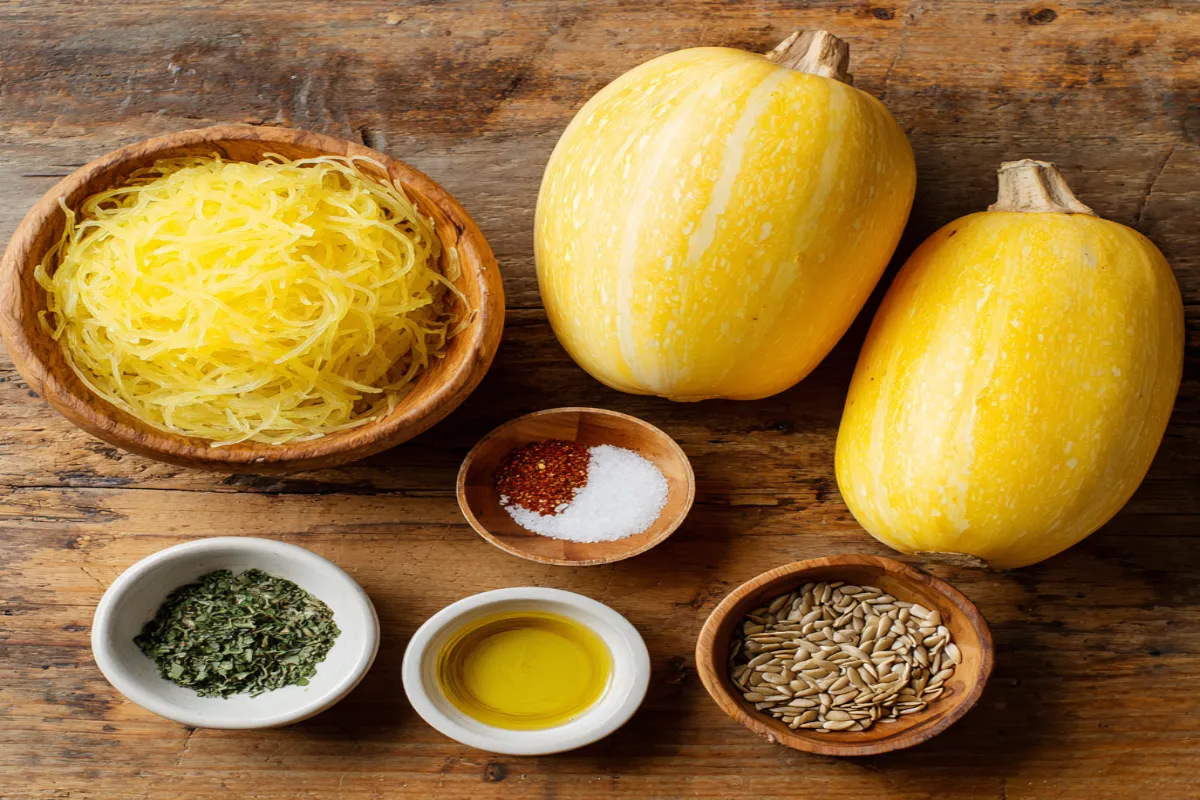
Ingredients
- 1 medium spaghetti squash
- 2 tablespoons olive oil
- 1 teaspoon salt
- 1/2 teaspoon black pepper
- 1 teaspoon garlic powder (optional)
- Your choice of sauce (marinara, pesto, or alfredo)
- Fresh herbs for garnish (basil or parsley)
- Optional toppings: grated cheese, crushed red pepper flakes, or sautéed vegetables
Instructions
- Preheat the Oven: Start by preheating your oven to 400°F (200°C). This temperature is ideal for roasting the squash evenly, ensuring a tender texture.
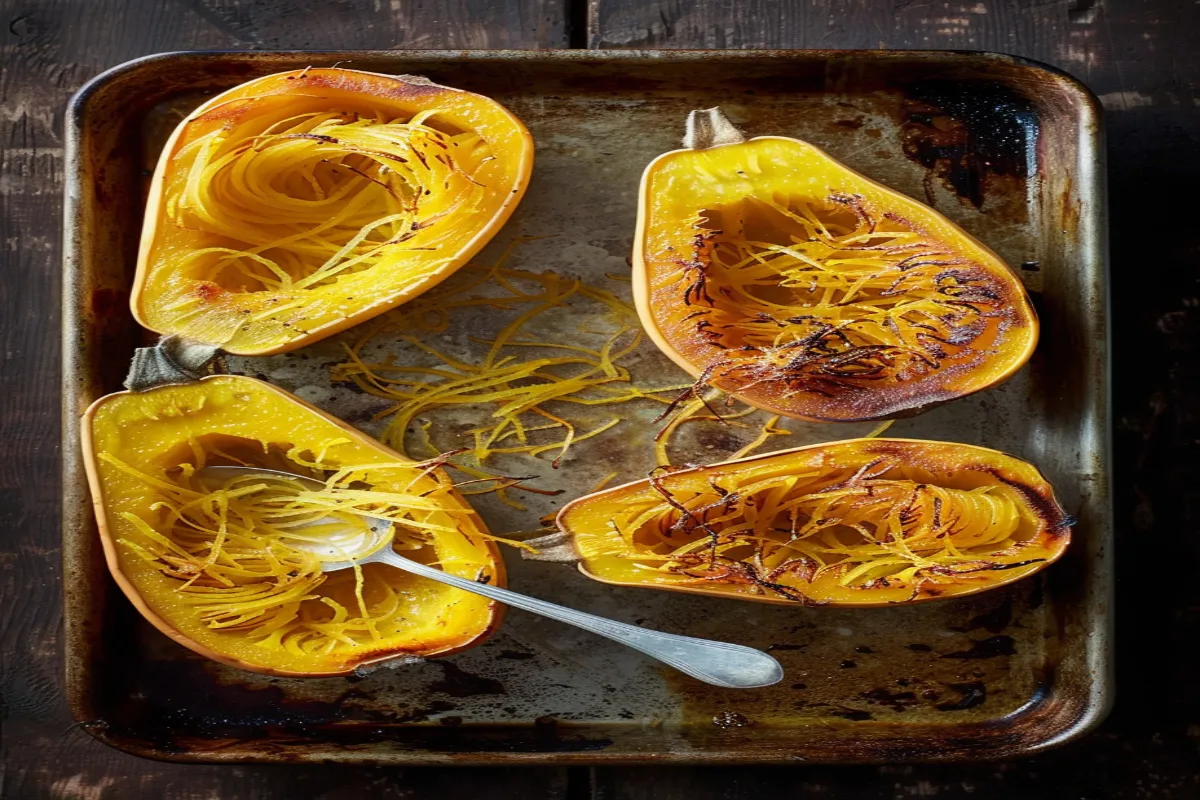
- Prepare the Squash: Carefully slice the spaghetti squash in half lengthwise. Use a spoon to scoop out the seeds and pulp from the center. This step is crucial as it allows the squash to cook properly and the strands to form.
- Season the Squash: Brush the cut sides of the squash with olive oil and sprinkle with salt, black pepper, and garlic powder if desired. The olive oil not only adds flavor but also helps in caramelizing the squash, enhancing its sweetness.
- Bake: Place the squash cut side down on a baking sheet lined with parchment paper. Bake for about 30-40 minutes, or until the flesh is tender and easily pierced with a fork. The baking time may vary slightly depending on the size of your squash.
- Scrape the Flesh: Once cooked, remove the squash from the oven and let it cool for a few minutes. Using a fork, scrape the flesh to create strands. Be gentle to preserve the structure of the strands for a better presentation.
- Add Sauce: Toss the spaghetti squash strands with your choice of sauce until well coated. You can also add cooked vegetables, proteins, or cheese for added flavor. This is where you can get creative with your dish!
- Serve: Garnish with fresh herbs and enjoy your delicious spaghetti squash dish! A sprinkle of parmesan cheese or a drizzle of balsamic glaze can elevate the dish further.
Serving Suggestions
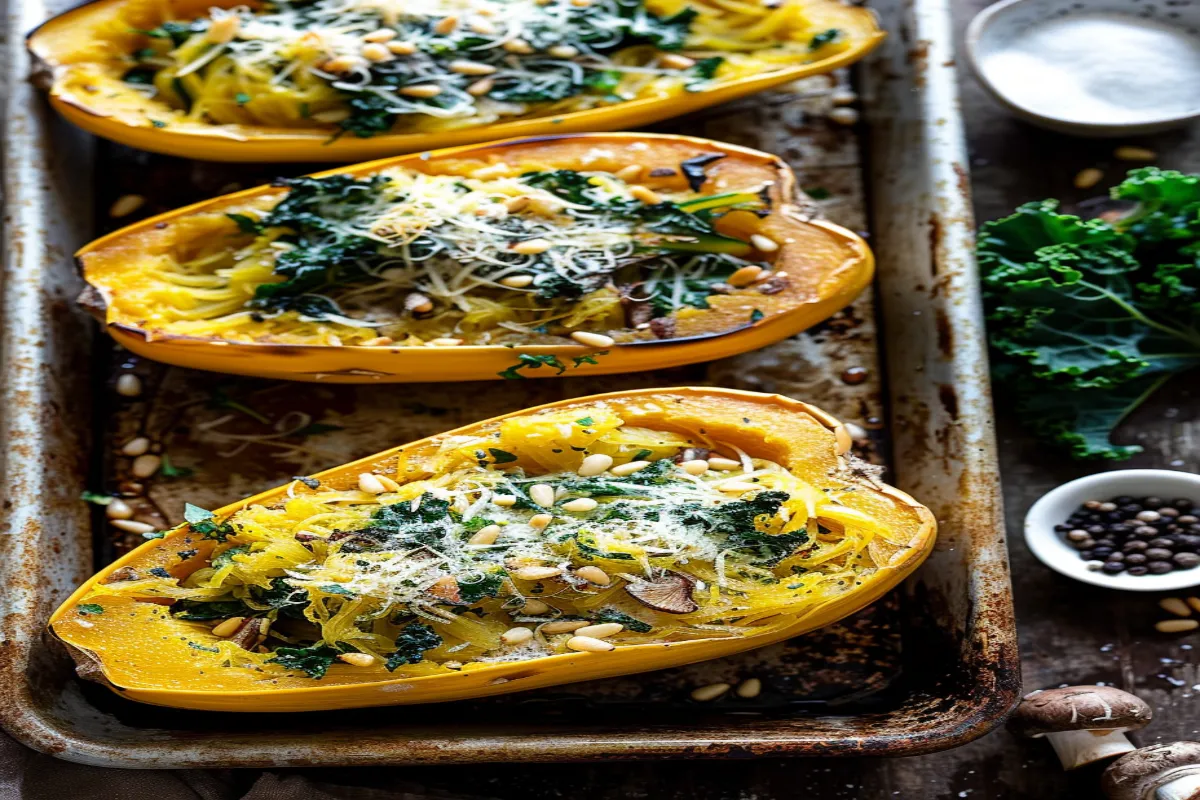
Spaghetti squash can be served in numerous ways. Here are a few suggestions to elevate your meal:
- With Meat Sauce: Combine the spaghetti squash with a hearty meat sauce for a filling dinner option. Ground turkey or beef can be seasoned with Italian herbs for a traditional flavor profile. Additionally, consider adding mushrooms or bell peppers for extra nutrition and flavor.
- As a Salad Base: Toss the strands with a light vinaigrette and fresh vegetables for a refreshing salad. Adding ingredients like cherry tomatoes, cucumbers, and feta cheese can create a delightful summer dish. You can also include nuts or seeds for added crunch and healthy fats.
- With Cheese: Add grated parmesan or mozzarella cheese and bake for a cheesy, comforting dish. You can also incorporate ricotta for a creamy texture that pairs beautifully with the squash. This combination makes for a satisfying meal that will please both kids and adults alike.
- Stuffed: Use the cooked squash as a base to stuff with other ingredients like sautéed spinach, ricotta, or ground turkey. This not only adds flavor but also makes for an impressive presentation. Stuffed spaghetti squash can be a centerpiece for a family dinner or a potluck gathering.
- With Shrimp or Chicken: Add sautéed shrimp or chicken on top for a protein-packed meal. Toss with garlic, lemon, and herbs for a fresh and zesty flavor. This combination works exceptionally well for a quick weeknight dinner.
Cooking Tips for Spaghetti Squash
To make the most of your spaghetti squash experience, consider the following cooking tips:
- Choose the Right Squash: Look for spaghetti squash that feels heavy for its size and has a firm shell without soft spots. A good quality squash will yield better texture and flavor. Additionally, smaller squashes tend to have sweeter flesh.
- Cooking Methods: Besides baking, spaghetti squash can be cooked in the microwave or slow cooker. For microwave cooking, poke holes in the squash and microwave on high for about 10-15 minutes, turning halfway through. This method is quick and retains the squash’s flavor. In the slow cooker, you can cook it on low for 6-8 hours, making it a convenient option for meal prep.
- Storing Leftovers: Store any leftover cooked spaghetti squash in an airtight container in the fridge for up to five days. Reheat in the microwave or on the stovetop for a quick meal. It can also be added to soups or casseroles for added nutrition. Freezing is also an option; just ensure it’s well-packaged to prevent freezer burn.
- Experiment with Flavors: Don’t hesitate to experiment with different herbs and spices. Add chili flakes for a kick, or mix in fresh herbs like thyme or oregano for a burst of flavor. Trying out different sauces can also keep your meals exciting and new.
- Pairing Suggestions: Spaghetti squash pairs well with a variety of proteins and vegetables, making it a flexible ingredient. Consider pairing it with roasted bell peppers, zucchini, or even sun-dried tomatoes for added texture and taste. You can also drizzle with tahini or pesto for a unique twist on flavor.
Conclusion
Spaghetti squash is a nutritious and versatile ingredient that can easily be incorporated into your meals. This simple spaghetti squash one recipe is not only easy to prepare but also delicious, making it a perfect addition to your weekly menu. Whether you’re looking for a low-carb alternative to pasta or simply want to enjoy a healthy dish, spaghetti squash is a fantastic choice. Try it out today and discover the endless possibilities! With its delightful texture and ability to absorb flavors, spaghetti squash is sure to become a staple in your kitchen. Enjoy experimenting with different sauces and toppings, and share your creations with friends and family! Whether you choose to serve it plain or dress it up with rich sauces and toppings, spaghetti squash offers a wonderful opportunity to enjoy a healthy and satisfying meal.
Frequently Asked Questions (FAQ)
- 1. What is spaghetti squash?
- Spaghetti squash is a type of winter squash that, when cooked, has a stringy flesh that resembles spaghetti noodles. It’s a low-carb alternative to traditional pasta.
- 2. How do I choose a good spaghetti squash?
- Look for a squash that is firm, with a hard shell and a uniform yellow color. Avoid any that have soft spots or blemishes.
- 3. Can I cook spaghetti squash in the microwave?
- Yes, you can cook spaghetti squash in the microwave! Simply pierce the skin several times with a fork, place it on a microwave-safe plate, and cook for about 10-12 minutes, turning halfway.
- 4. How do I know when spaghetti squash is done cooking?
- Spaghetti squash is done when the flesh is tender and can be easily scraped into strands with a fork. This usually takes about 30-50 minutes in the oven, depending on its size.
- 5. Can I eat the seeds of spaghetti squash?
- Yes, you can eat the seeds! They can be roasted like pumpkin seeds for a nutritious snack.
- 6. How do I store leftover spaghetti squash?
- Store cooked spaghetti squash in an airtight container in the refrigerator for up to 5 days. You can also freeze it for longer storage.
- 7. What are some common dishes made with spaghetti squash?
- Spaghetti squash can be used in a variety of dishes, including spaghetti squash marinara, casseroles, and even stir-fries as a healthy pasta alternative.
- 8. Can I substitute spaghetti squash for regular pasta in any recipe?
- Yes, spaghetti squash can be used as a substitute for pasta in most recipes. Just keep in mind that it has a different texture and flavor, so adjustments may be needed.
- 9. Is spaghetti squash gluten-free?
- Yes, spaghetti squash is naturally gluten-free, making it a great option for those with gluten sensitivities or celiac disease.
- 10. How many calories are in spaghetti squash?
- One cup of cooked spaghetti squash contains about 42 calories, making it a low-calorie option for meals.
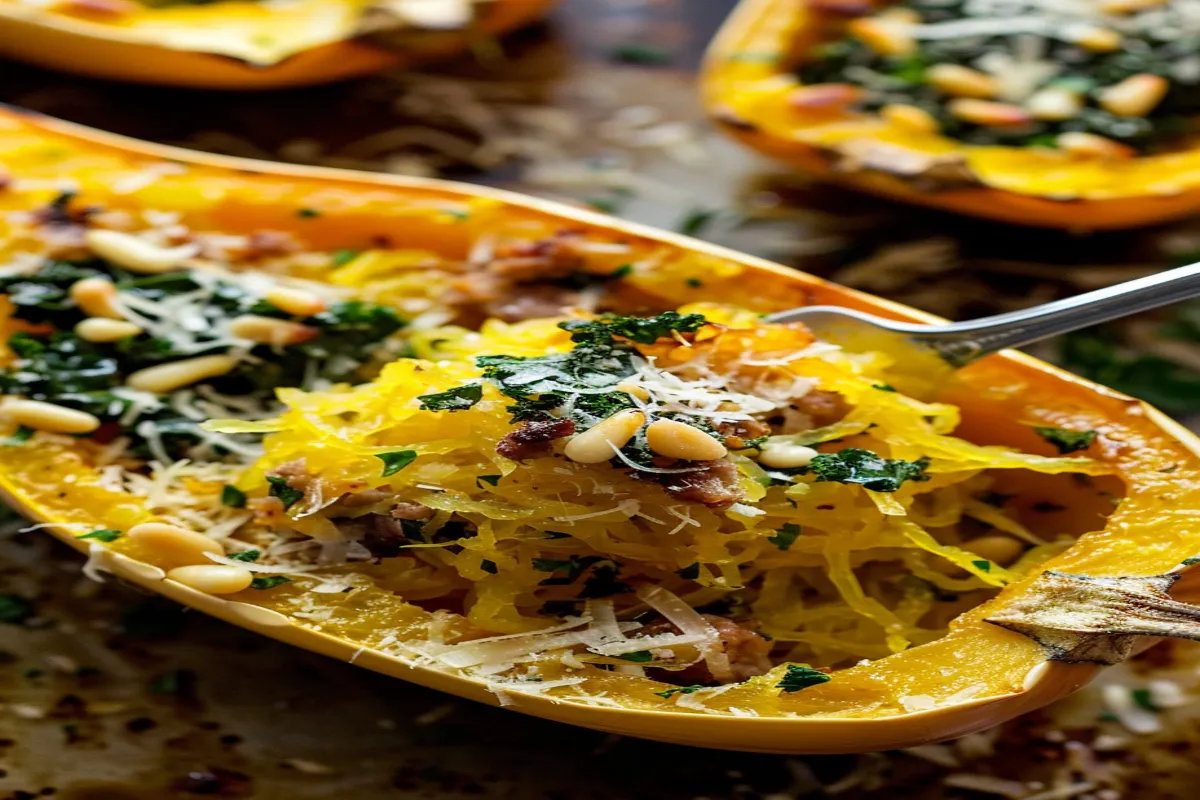
Tips & Variations
- Try roasting the spaghetti squash with a drizzle of olive oil and your favorite herbs for added flavor.
- Mix in sautéed vegetables like bell peppers, onions, and mushrooms for a hearty meal.
- Add protein such as grilled chicken, shrimp, or beans to make it a complete dish.
- Experiment with different sauces like pesto, Alfredo, or a simple olive oil and garlic dressing.
- For a spicy kick, add red pepper flakes or diced jalapeños to your sauce.
- Use spaghetti squash as a base for a grain bowl, adding toppings like avocado, nuts, and seeds.
Common Mistakes
- Overcooking the spaghetti squash can lead to mushy strands; keep an eye on it while it cooks.
- Not seasoning adequately can result in bland dishes; always season your sauce and the squash itself.
- Using a dull knife when cutting the squash can be dangerous; ensure your knife is sharp for safety.
- Skipping the scraping step can lead to a messy dish; make sure to scrape the flesh into strands properly.
- Not allowing the squash to cool before handling can lead to burns; give it some time to cool down!
Tools
- Sharp chef’s knife for cutting the squash.
- Large baking sheet for roasting.
- Fork for scraping the strands from the squash.
- Microwave-safe plate for microwave cooking.
- Storage containers for leftovers.
Nutrition/Notes
Spaghetti squash is not only low in calories but also rich in vitamins A and C, fiber, and potassium. It can be a beneficial addition to a balanced diet, especially for those looking to reduce carbohydrate intake. Don’t forget that the nutritional content can vary based on what you serve it with, so consider the ingredients you add for a healthier meal.
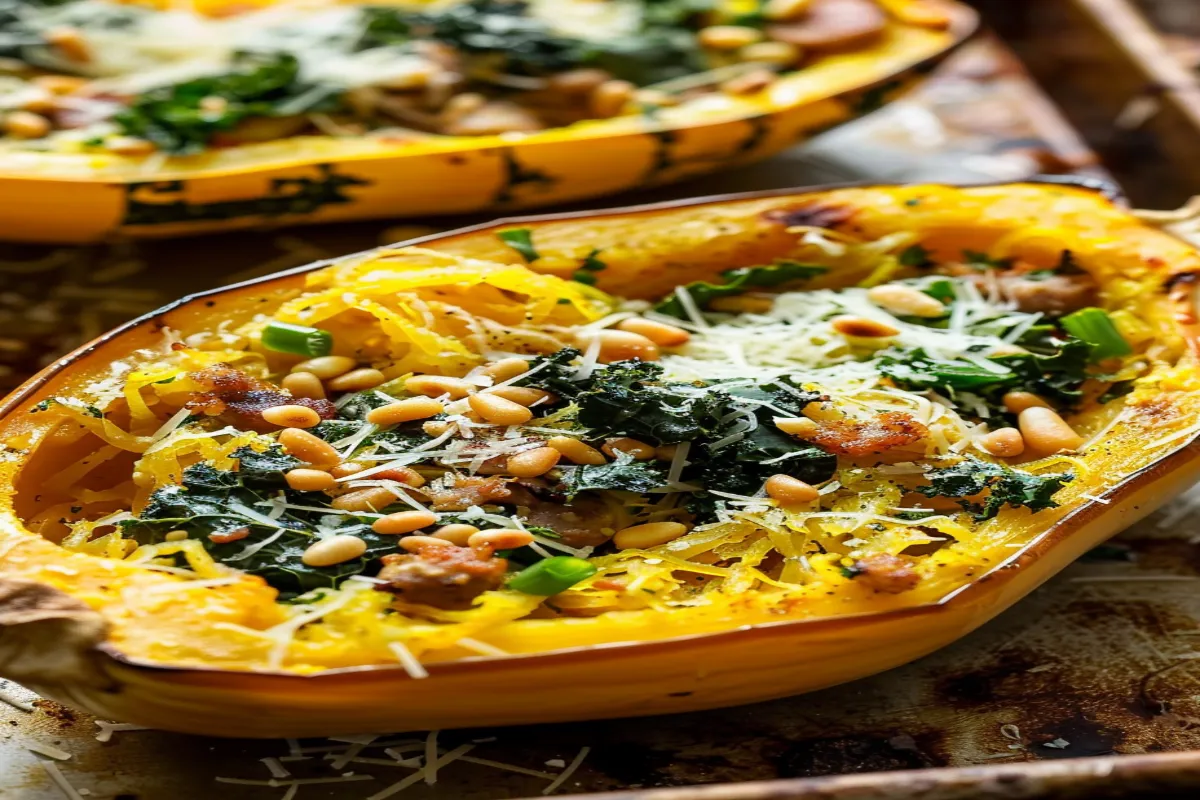
Conclusion
In conclusion, spaghetti squash is a versatile and nutritious option for anyone looking to enjoy a delicious meal without the extra carbs. With its unique texture and ability to absorb flavors, it can be adapted to many cuisines and dietary preferences. Whether you’re roasting it, microwaving it, or using it in your favorite pasta dish, spaghetti squash is sure to impress. So grab a squash, try out some of the tips and variations, and enjoy a healthy twist on your favorite meals!
Spaghetti Squash Recipe
A healthy, low-carb alternative to pasta, this spaghetti squash recipe is simple, flavorful, and versatile — perfect for any meal.
- Prep Time: 10 minutes
- Cook Time: 40 minutes
- Total Time: 50 minutes
- Yield: 4 servings 1x
- Category: Main Dish
- Method: Oven Baked
- Cuisine: American
Ingredients
- 1 medium spaghetti squash
- 2 tablespoons olive oil
- 1 teaspoon salt
- 1/2 teaspoon black pepper
- 1 teaspoon garlic powder (optional)
- Your choice of sauce (marinara, pesto, or alfredo)
- Fresh herbs for garnish (basil or parsley)
- Optional toppings: grated cheese, crushed red pepper flakes, or sautéed vegetables
Instructions
- Preheat the oven to 400°F (200°C).
- Slice the spaghetti squash in half lengthwise and scoop out the seeds and pulp.
- Brush the cut sides with olive oil and season with salt, pepper, and garlic powder if desired.
- Place the squash cut side down on a baking sheet lined with parchment paper.
- Bake for 30-40 minutes until tender and easily pierced with a fork.
- Let cool slightly, then use a fork to scrape the flesh into strands.
- Toss the strands with your preferred sauce and toppings.
- Garnish with fresh herbs and enjoy your healthy spaghetti squash dish!
Notes
Spaghetti squash is naturally gluten-free, low in calories, and rich in vitamins A and C, fiber, and potassium. Store leftovers in the refrigerator for up to 5 days or freeze for longer storage.
Nutrition
- Serving Size: 1 cup
- Calories: 42
- Sugar: 4g
- Sodium: 180mg
- Fat: 2g
- Saturated Fat: 0.3g
- Unsaturated Fat: 1.7g
- Trans Fat: 0g
- Carbohydrates: 10g
- Fiber: 2g
- Protein: 1g
- Cholesterol: 0mg
Keywords: spaghetti squash, low carb, healthy, gluten free, vegetarian, easy dinner
